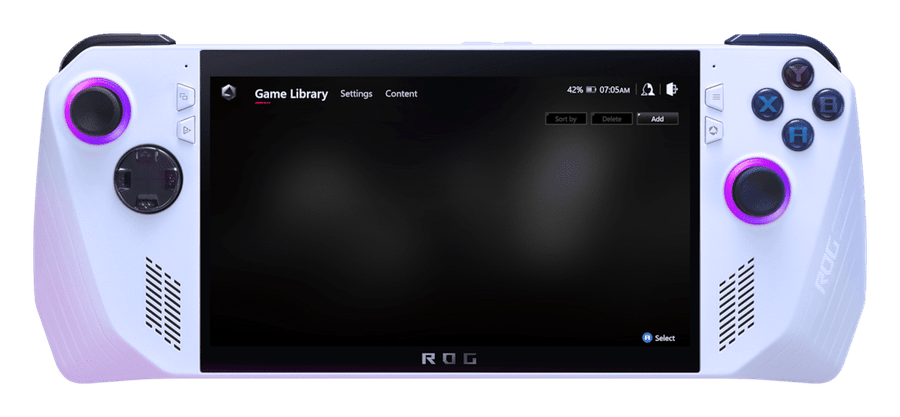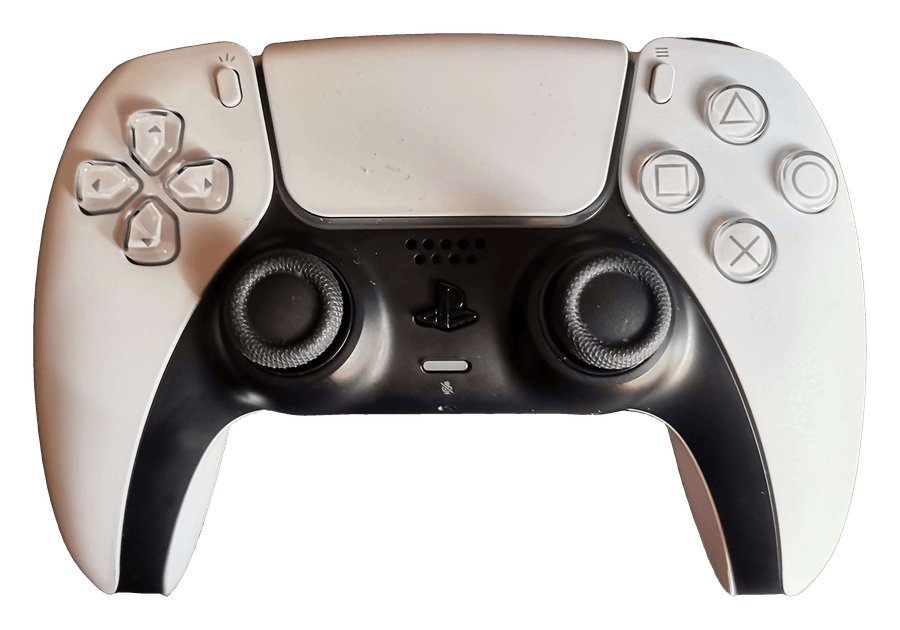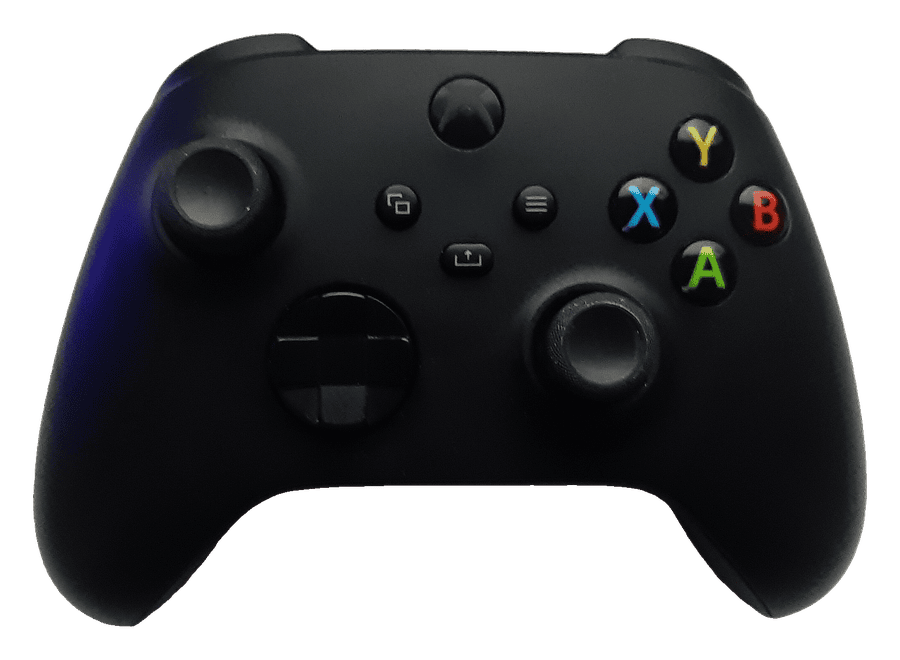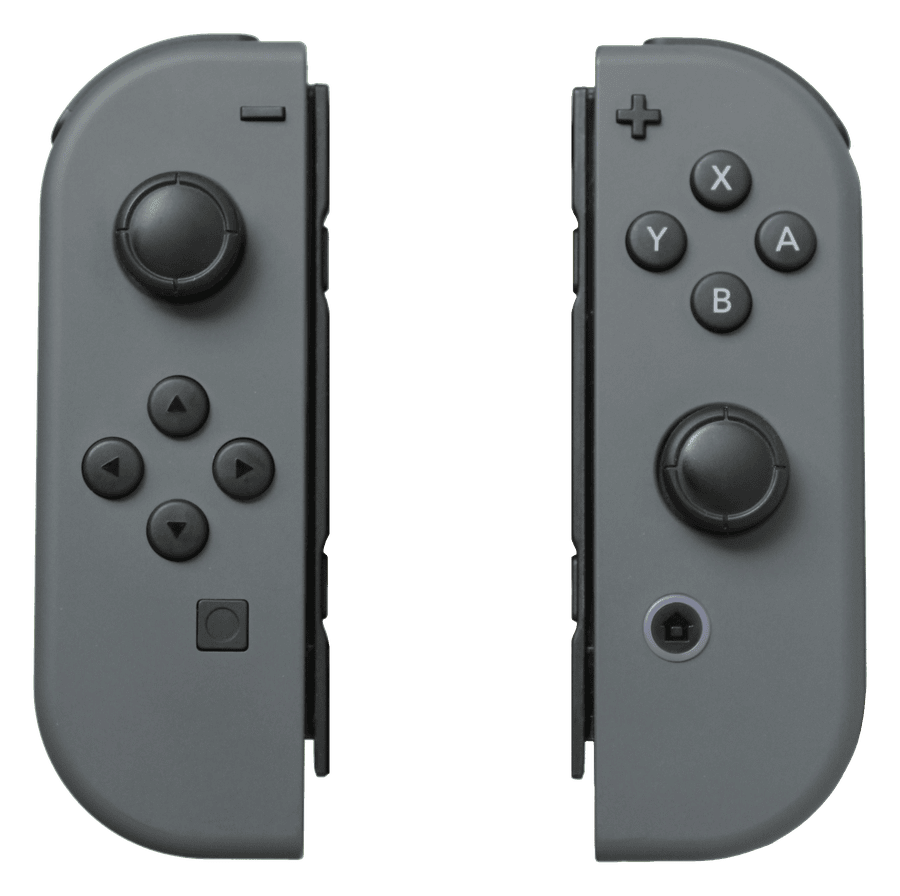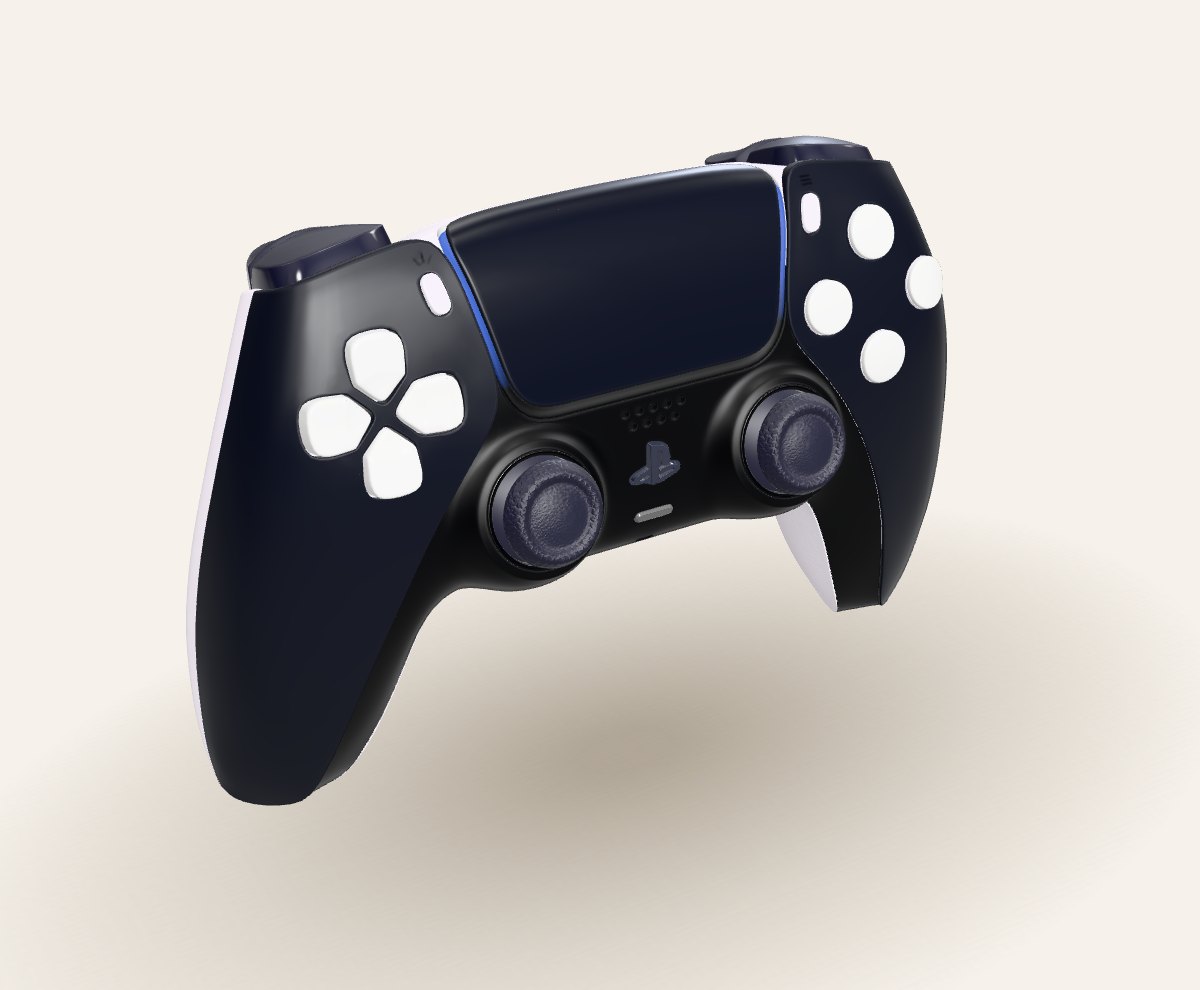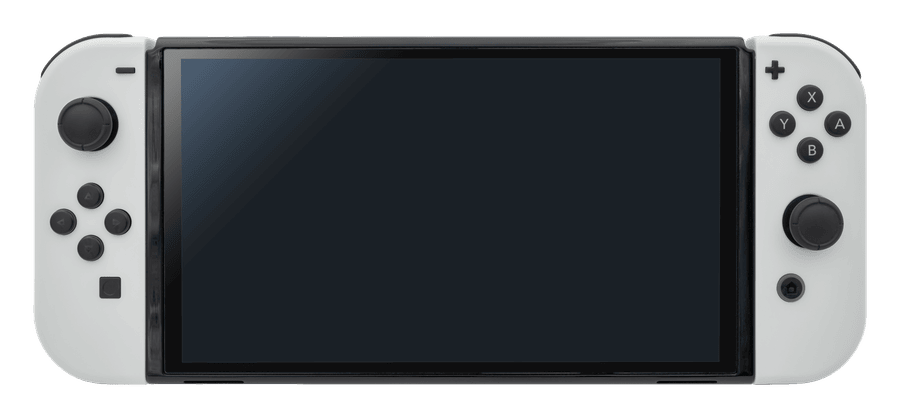
Works in Chrome and Edge on desktop with a wired or Bluetooth controller. Firefox and Safari show fewer pads and rarely expose vibration. Everything runs locally in your browser and nothing is uploaded.
Connect the controller. Plug it in by USB or pair it over Bluetooth, then press any button so the browser can see it. Chrome and Edge pick up controllers straight away. Safari and Firefox can be slower to show a pad and may not report vibration.
Press every button. Each button on the schematic lights orange while it is held. Pull the triggers slowly and check the bars climb evenly from empty to full without jumping.
Move both sticks. The dot in each plot follows the stick and leaves a short trail, so you can see whether the movement is smooth or steps about. Roll each stick round its full edge a few times.
Run the drift test hands-off. Put the controller down, then press Test for drift. The tester samples both sticks for three seconds and reports the resting position of each axis as a percentage of full travel.
Resting offset above 5 per cent. The stick is not returning to centre. That is stick drift, and on modern pads it usually points to worn sensors inside the stick module rather than anything you can fix in settings. A small offset under 5 per cent is normal and sits inside the dead zone every game applies.
Circularity error. How closely the stick traces a circle when you roll it round the edge of its housing. A few per cent is typical. A large error, or a shape that looks squashed on one side, usually means a worn module or a square-gated stick.
A button that does not light. Or one that lights when you have not touched it, is a contact, membrane or board fault. A trigger bar that jumps rather than sliding points to a worn trigger sensor.
Polling rate. An estimate of how often the controller sends new data. A wired connection usually reports a higher figure than Bluetooth, and the browser can cap the number, so treat it as a guide rather than a lab reading.
Vibration does not run. Check the connection type first. Some browsers only expose rumble over USB, and some third-party pads do not expose it at all.
The sticks in most controllers sit on small analogue sensors. Dust, wear and worn carbon tracks let the reported position creep away from centre, so your character walks on its own or the camera slowly pans. Recalibrating in the console settings can hide a small offset for a while, but it does not stop the wear. The lasting fix is a new stick module, and on many pads we fit Hall effect or TMR sticks that do not wear in the same way. If the test shows drift, the card that appears links to the right controller service for your pad, with the price it starts from.
Stick drift, dead buttons, triggers and charging faults fixed on PlayStation, Xbox, Nintendo and pro controllers. Drop off at Kings Cross 24/7 or post it in.
Yes. Anything the browser exposes through the Gamepad API is tested, which covers DualSense, DualSense Edge, DualShock 4, Xbox Series and Xbox One pads, the Switch Pro Controller and most third-party pads. Joy-Cons are read one at a time and may map differently.
Browsers only reveal a controller after you press a button on it, to protect your privacy. Press any button. If nothing happens, check the pad is connected, try another USB port or cable, or open the page in Chrome or Edge.
No. Anything under 5 per cent is inside the dead zone that games apply and is normal for an analogue stick. Drift becomes a problem once the offset is large enough to move your character or camera on its own.
A recalibration in the console settings or a blast of contact cleaner can hide a small offset for a while, but it does not cure worn sensors. The lasting fix is a new stick module, ideally a Hall effect or TMR type that does not wear the same way.
No. The tester runs entirely in your browser using the Gamepad API. No data about your controller or your session leaves your device.
No. Chrome and Edge support rumble on most pads. Firefox and Safari expose vibration on fewer devices, and some pads only vibrate over USB.
So if your computer's gone down, don't worry. We've got you covered.
We use a few cookies to keep the site and reservations working and — only with your say-so — to see how the site is used and whether our Google ads brought you here. Details in our cookie policy.